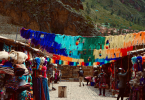

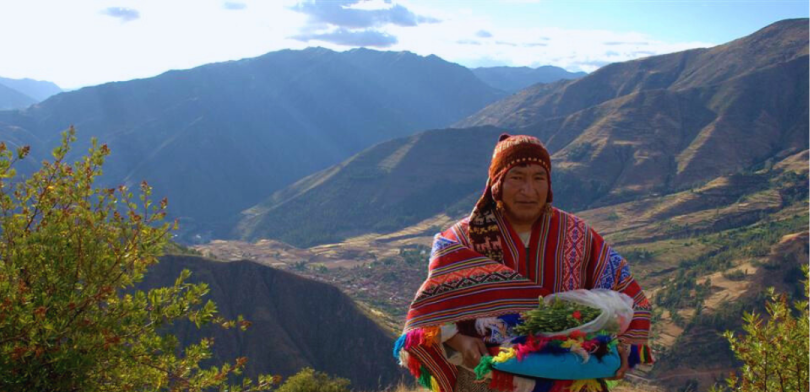

Every August 1st, the Andes celebrate gratitude
What is Pachamama?
In the Andean worldview, Pachamama is more than just the earth—she is the mother who nourishes, protects, and gives life. She is a sacred, living being with whom people maintain a relationship of reciprocity. She is not to be exploited, but respected. One does not ask without offering first.
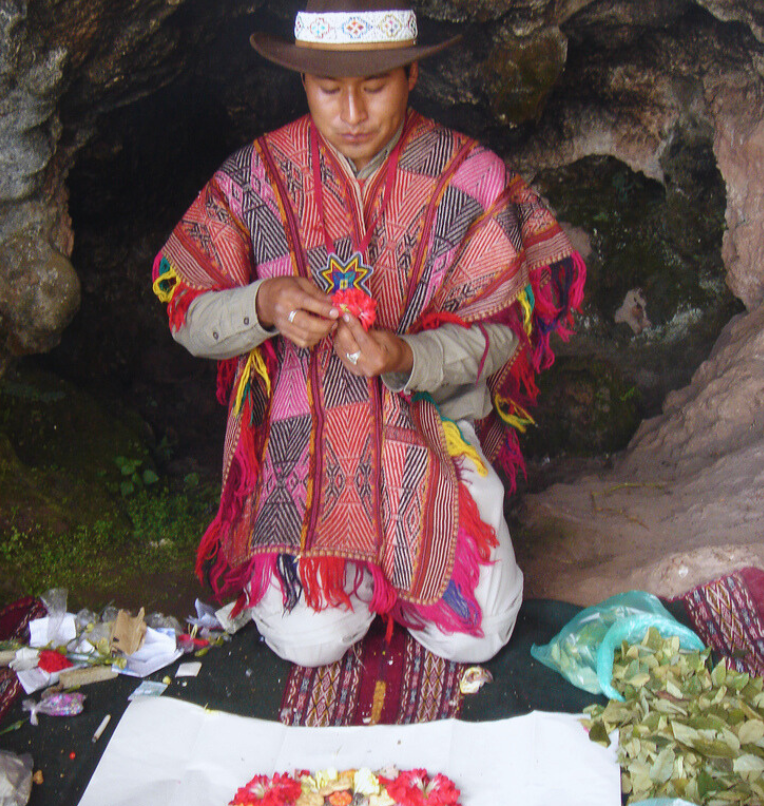
August 1st: A central day of gratitude
In many regions of Peru, Bolivia, Ecuador, and the north of Argentina and Chile, August 1st is celebrated as Pachamama Day, a special date when Indigenous peoples and rural communities honor her through ancient rituals.
This day marks the beginning of a new agricultural cycle and is a key moment to “feed the Earth” and give thanks for its bounty.
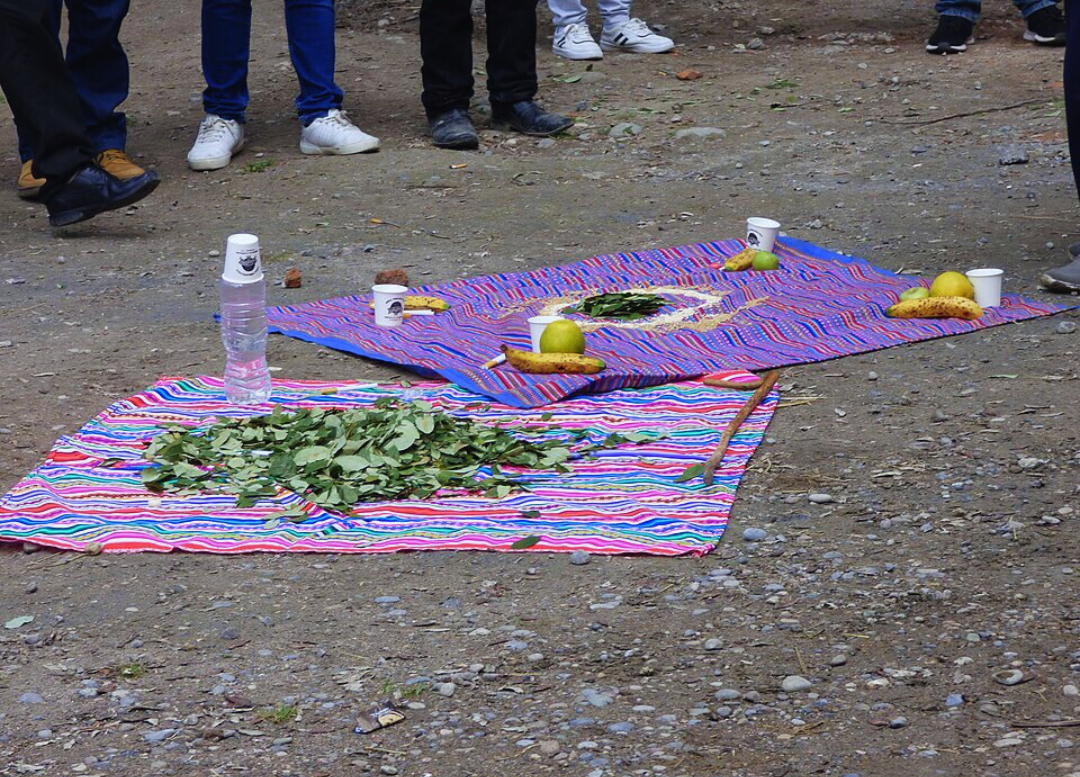
The ritual of offering to the Earth 🌽
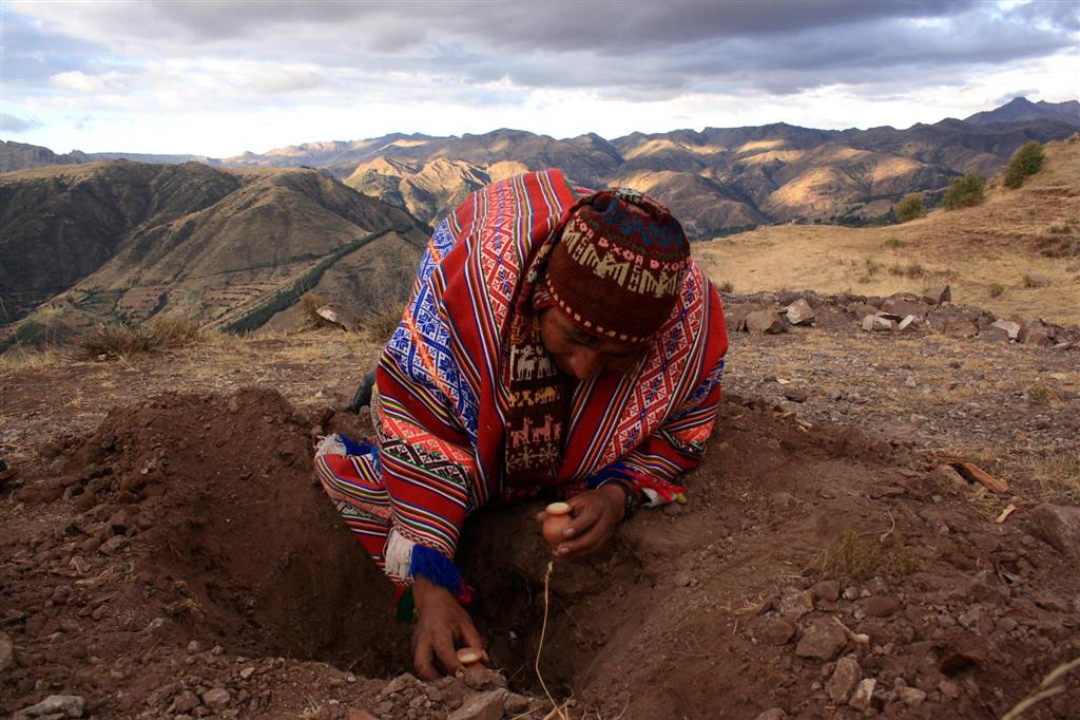
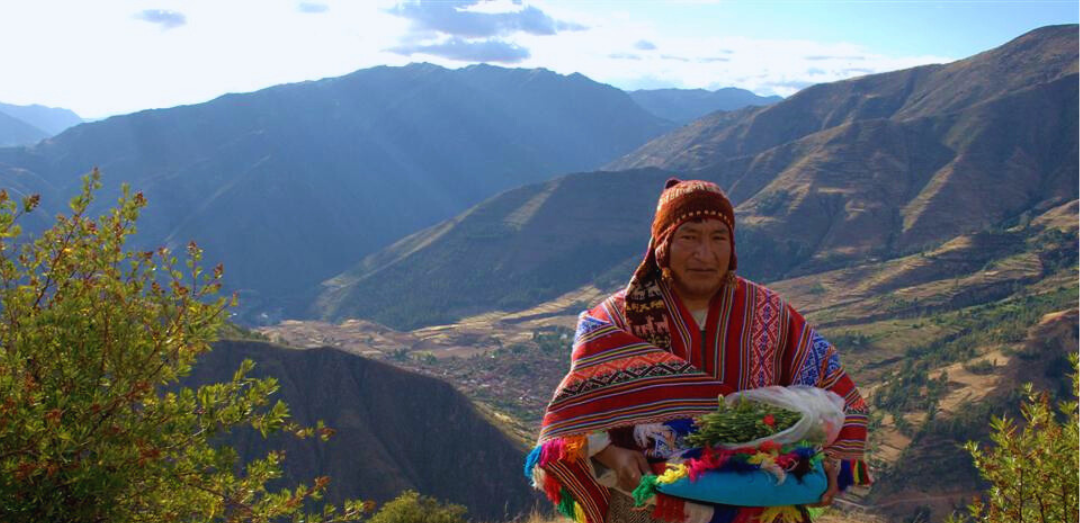
One of the most symbolic acts is the “payment to the Earth”, a ceremony where offerings like coca leaves, chicha (fermented corn drink), corn, candies, colorful wool, wine, and more are buried.
Everything is done with respect, often led by an Andean paq’o or shaman, accompanied by prayers in Quechua or Aymara. Fire, smoke, and silence play important roles.
The message is clear: give before receiving.
A day of fasting and connection
Traditionally, people fast during the morning of August 1st and avoid arguing or using negative language. In rural areas, it’s common to “give the Earth a drink” by pouring a little cañazo (sugarcane liquor) or chicha on the ground before drinking, as a sign of reverence.
Beyond ritual: A living lesson
Today, this date is also an opportunity to reflect on our relationship with the environment. Are we being reciprocal with nature, or are we just taking from it?
Pachamama Day reminds us that the Earth does not belong to us—we are part of it.